

40+
Years Of Experience
On-Demand Hot Water Without the Storage Tank
Tankless Water Heater Installation & Replacement in Boyertown for homes upgrading from traditional tanks or replacing a malfunctioning on-demand system
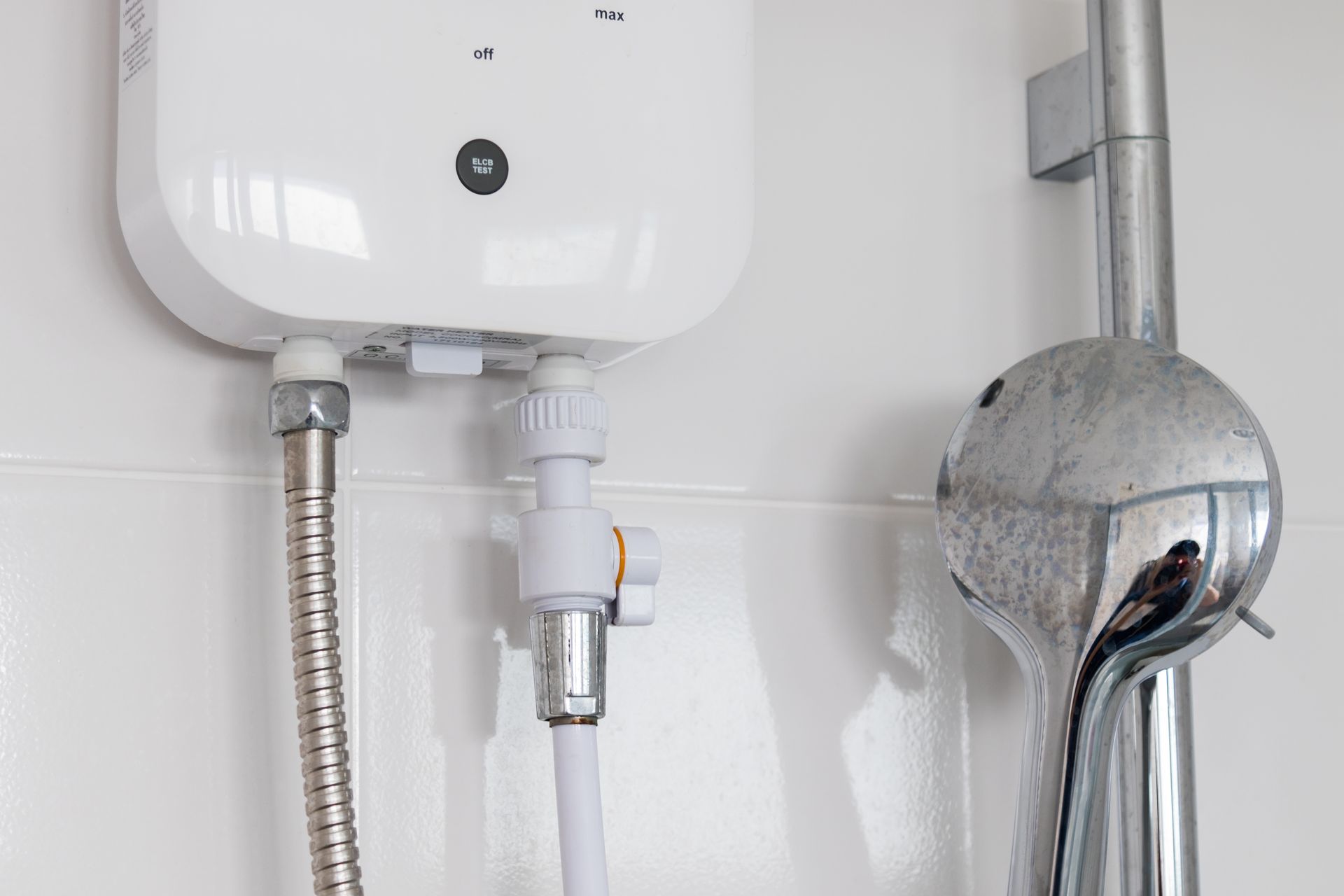
A tankless water heater produces hot water only when a fixture calls for it, eliminating the standby heat loss that occurs when a storage tank maintains temperature around the clock. Gehringer Mechanical installs and replaces tankless water heating systems for residential properties in Boyertown, handling both new installations for homeowners switching from conventional tanks and direct replacements for existing tankless units that are underperforming or no longer functioning. The work includes proper sizing, gas or electrical supply evaluation, and venting configuration to match the specific demands of the home.
Many Boyertown-area homes transitioning to tankless systems are replacing units originally installed in utility rooms, crawlspaces, or closets where space is limited—one of the practical advantages of a tankless unit is its wall-mounted profile, which recovers square footage that a 40- or 50-gallon tank previously occupied. Gehringer Mechanical evaluates the existing gas line capacity or electrical service before installation, because a tankless unit draws a significantly higher instantaneous load than a storage tank, and supply lines or breaker panels that were adequate for a tank may require upgrading before a new system will perform correctly.
Arrange a home evaluation to determine whether a tankless system is correctly matched to your household's hot water demand and existing utility infrastructure.
Why Proper Sizing Determines Whether Tankless Works
Tankless water heater performance is governed by flow rate capacity, measured in gallons per minute, and the temperature rise required to deliver water at the desired output. A unit that is undersized for the home will struggle when multiple fixtures run simultaneously—a shower running while the dishwasher fills, for instance—producing the inconsistent temperatures homeowners often attribute to the technology rather than to a sizing mismatch. Gehringer Mechanical calculates the required flow rate by accounting for the number of simultaneous draw points and the incoming cold water temperature typical for this region's water supply.
Once a correctly sized tankless unit is installed and commissioned, the observable differences are straightforward: hot water arrives at the fixture within the unit's ignition delay, the temperature holds steady regardless of how long the fixture runs, and the monthly energy draw from heating water drops because the system only operates during active use. Homeowners who previously ran out of hot water during back-to-back showers will notice the supply is no longer tied to a tank's recovery time.
Venting is a detail that affects both performance and safety. Most residential gas tankless units require dedicated sealed combustion venting that differs from what a conventional tank used, and existing vent runs may not be compatible with the new system's requirements. Gehringer Mechanical reviews the venting configuration as part of the installation process, ensuring the exhaust path meets manufacturer specifications and local plumbing code before the unit is placed into service.
Common Questions About This Service
These questions cover the installation process, sizing decisions, and what property owners should expect when switching to or replacing a tankless water heating system.
How is a tankless water heater sized for a residential property? Sizing is based on the peak simultaneous flow rate the household requires—calculated by adding the gallons-per-minute demand of all fixtures that might run at the same time—combined with the temperature rise needed to reach the desired output temperature from the incoming supply.
What has to be evaluated before a tankless unit can be installed? The gas line diameter and meter capacity or the electrical panel amperage must be confirmed as sufficient to handle the unit's peak draw, because tankless systems demand significantly higher instantaneous capacity than storage tanks and cannot perform correctly on undersized supply lines.
Why do some older homes in Boyertown require additional work before tankless installation? Homes built before modern plumbing standards were established may have gas lines sized for lower-demand appliances, and the venting chases previously used for conventional water heaters are often incompatible with the sealed combustion or power-vent configurations that most tankless units require.
What happens when a tankless unit is replaced rather than installed new? When replacing an existing tankless system, Gehringer Mechanical inspects the current venting, gas or electrical connections, and condensate drainage before the new unit is mounted, confirming that each supply point is compatible with the replacement model's specifications.
How does a homeowner know the installed unit is performing correctly? After installation, water temperature at the fixture should remain steady throughout the full duration of use, the unit should ignite consistently without delay on repeated draws, and there should be no error codes displayed on the unit's diagnostic panel.
Gehringer Mechanical also installs and replaces tankless water heaters in Pottstown and nearby communities. To discuss whether a tankless system suits your home's layout and utility setup, speak with Gehringer Mechanical about scheduling a site evaluation before selecting a unit.

