

40+
Years Of Experience
Year-Round Climate Control Using Ground Temperature
Geothermal heating and cooling in Boyertown for homeowners seeking energy-efficient alternatives to traditional furnaces and air conditioners
Geothermal systems transfer heat between the ground and your property rather than generating heat through combustion or cooling air through a traditional condenser. The ground maintains a stable temperature year-round below the frost line—typically between 50 and 55 degrees in this region—and a geothermal heat pump uses that consistency to warm the property in winter and remove heat during summer. Gehringer Mechanical evaluates property size, available land area, and soil conditions to determine whether a horizontal or vertical ground loop system works best for the installation.
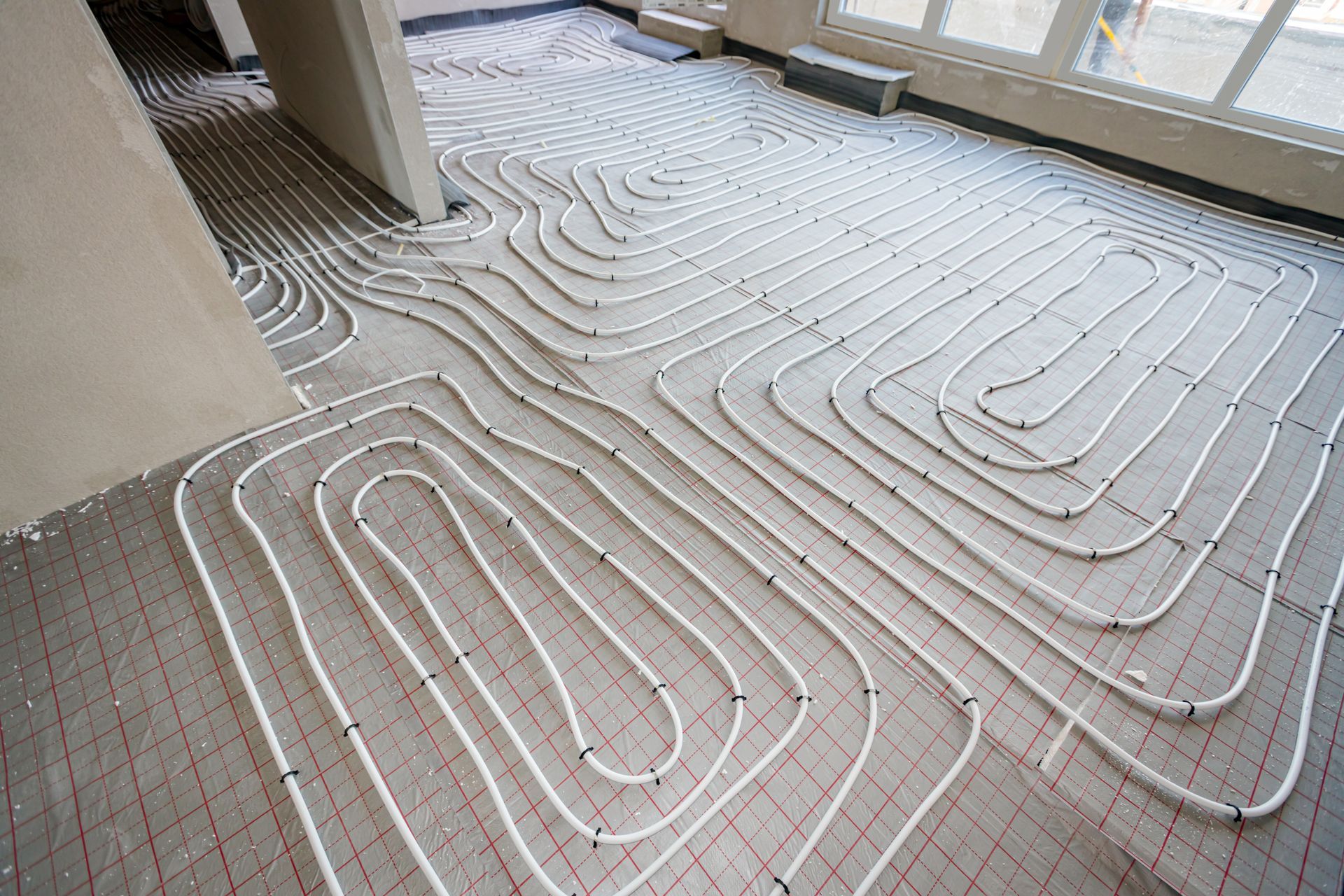
The installation process involves drilling or trenching to place the ground loop piping, connecting it to the heat pump inside the property, and integrating the system with existing ductwork. Horizontal loops require more land area but involve less drilling, while vertical loops work for properties with limited yard space by drilling deeper boreholes. The heat pump circulates fluid through the ground loop, absorbing heat from the earth in winter and depositing heat back into the ground during cooling season, which eliminates the need for a traditional furnace and outdoor air conditioning unit.
Arrange a property evaluation to discuss geothermal system configurations and determine installation feasibility.
What Geothermal Systems Actually Accomplish
Geothermal systems maintain consistent indoor temperatures without the fluctuations common in traditional heating and cooling equipment. The heat pump operates more quietly than a furnace or air conditioner because it transfers heat rather than generating it through combustion or compressing refrigerant at high pressures. You'll notice even temperatures throughout the property, reduced energy consumption compared to conventional systems, and the elimination of outdoor condenser noise.
The system includes a circulation pump that moves fluid through the ground loop and a heat pump that extracts or deposits heat depending on the season. Maintenance involves checking the fluid levels, inspecting the circulation pump, and cleaning the heat pump's internal components. Because geothermal systems have fewer moving parts than traditional HVAC equipment, they typically require less frequent repairs and last longer before needing replacement.
Gehringer Mechanical services existing geothermal systems and addresses problems such as reduced heating or cooling output, circulation pump failures, and control system malfunctions. The long-term cost savings depend on current energy prices and how the system is sized relative to the property's heating and cooling load, but most geothermal installations reduce monthly energy consumption compared to conventional furnaces and air conditioners operating at standard efficiency levels.
What Property Owners Ask About the Work
Geothermal systems involve different installation requirements and operating principles than traditional HVAC equipment, and understanding how they function helps clarify whether this approach suits your property.
How does a geothermal system provide both heating and cooling? The heat pump reverses its operation depending on the season—it extracts heat from the ground loop and transfers it indoors during winter, then reverses the process in summer to remove heat from the property and deposit it back into the ground. The ground loop provides a consistent temperature source that's warmer than outdoor air in winter and cooler in summer.
What installation requirements apply to properties in Boyertown? The technician evaluates available yard space, soil composition, and proximity to existing structures to determine the best ground loop configuration. Horizontal loops require trenching at least four feet deep across a sufficient area to exchange heat effectively, while vertical loops involve drilling boreholes that extend 150 to 400 feet below the surface depending on heating and cooling demand.
What changes after a geothermal system replaces a traditional furnace and air conditioner? The property no longer relies on combustion for heating or an outdoor condenser for cooling, which eliminates the need for natural gas or propane and reduces electricity consumption. The indoor temperature remains more stable because the system doesn't cycle as abruptly as traditional equipment, and you'll notice quieter operation and no outdoor unit producing noise or requiring yard space.
How is a geothermal heat pump maintained over time? Maintenance includes checking refrigerant levels, inspecting the circulation pump, cleaning the heat exchanger, and verifying that the control system operates correctly. The ground loop itself requires minimal maintenance once installed, as the piping is designed to last decades underground without leaking or degrading.
What factors affect whether geothermal installation makes sense for your property? The decision depends on available land for the ground loop, the age and efficiency of your current heating and cooling equipment, long-term energy cost projections, and whether you plan to remain in the property long enough to realize the energy savings. Gehringer Mechanical evaluates these variables and explains the upfront installation cost relative to projected savings based on your current energy usage.
Gehringer Mechanical has installed and serviced geothermal systems throughout Boyertown and Pottstown for over 40 years, helping property owners transition to energy-efficient climate control. Gehringer Mechanical also provides geothermal services in Douglassville, Gilbertsville, and Oley. Contact Gehringer Mechanical to explore geothermal options and receive a detailed system proposal for your property.

